
Winter Solstice: Awaiting Spring through the Longest Night
As the ancients said, "Winter Solstice falls in the middle of the eleventh lunar month, when the energy of dormancy reaches its zenith." On this day, the Northern Hemisphere sees its shortest daylight and longest night.
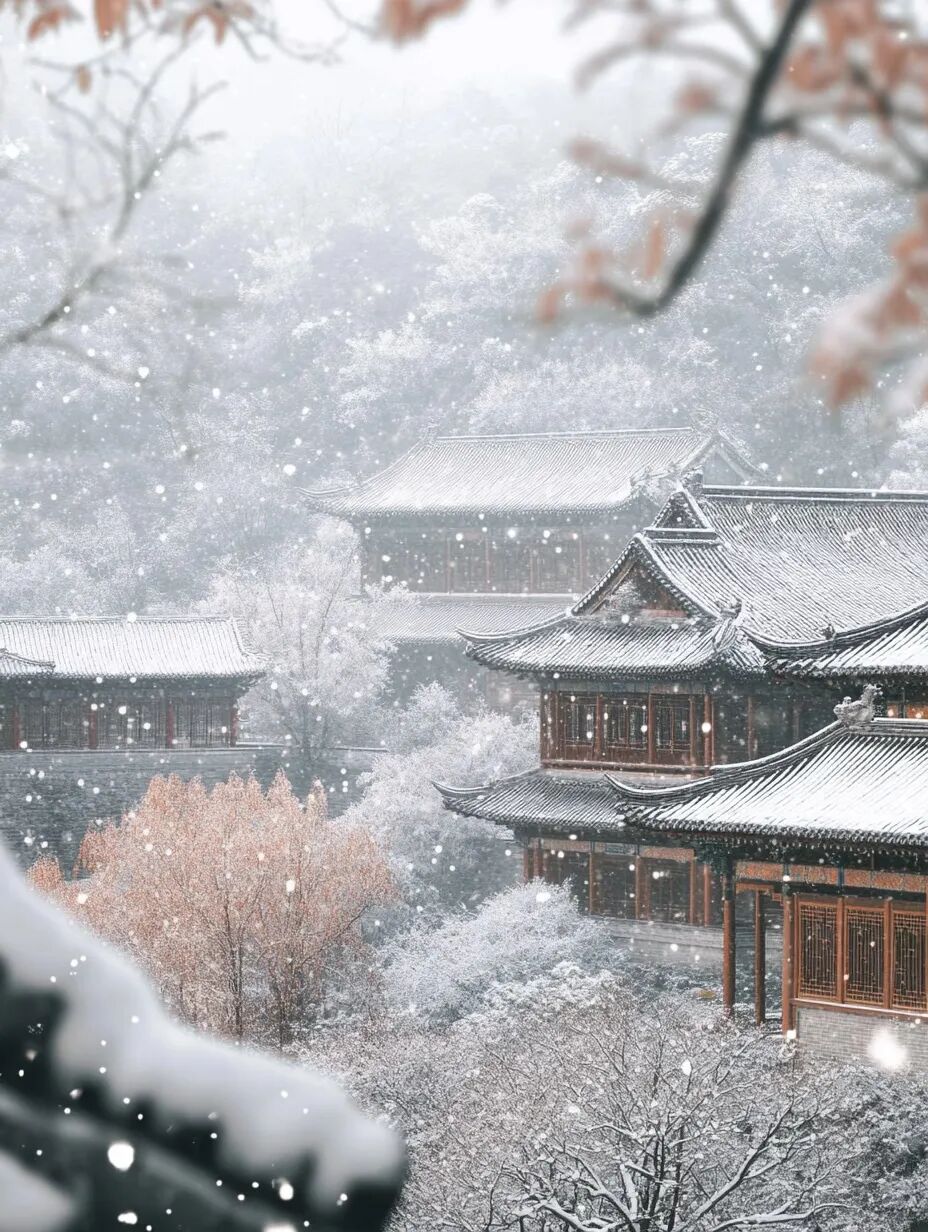
In ancient agrarian society, Winter Solstice held a unique significance. By this time, the autumn harvest was complete and the grain secured in granaries, leaving the fields to enter a season of rest and regeneration. Farmers could finally catch their breath, taking stock of the year's yield and planning for the one ahead. Thus, Winter Solstice became a pivotal agricultural milestone—marking the close of one farming cycle and heralding the dawn of the next.
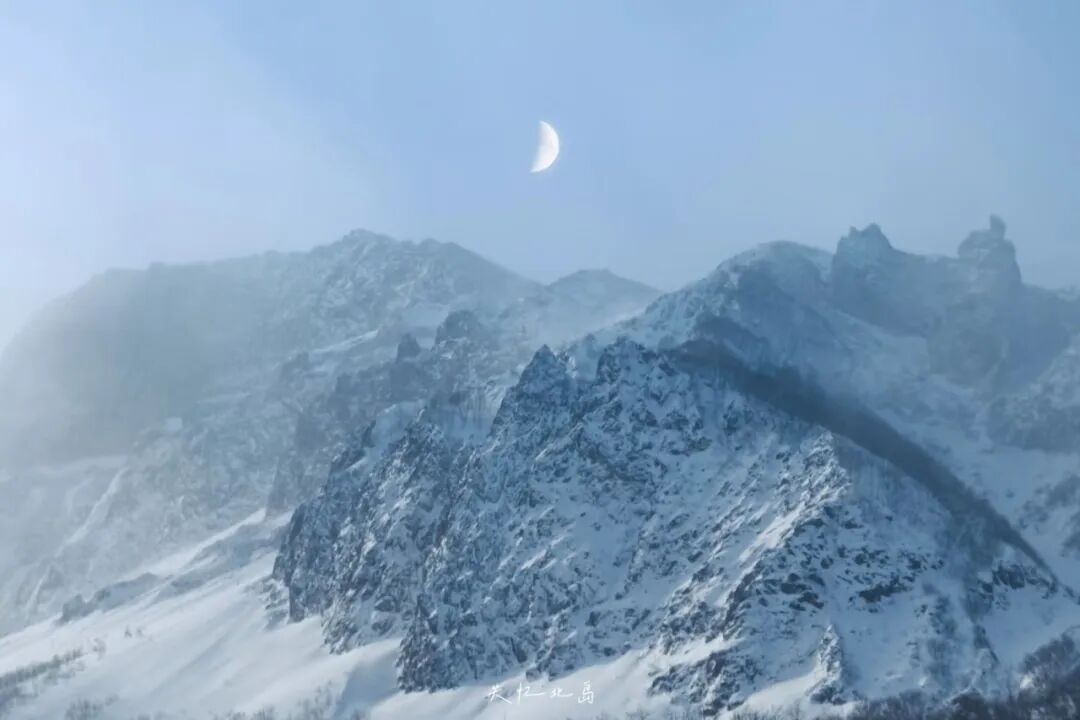
Even more significantly, Winter Solstice once marked the beginning of the year. Before the Han Dynasty, it was regarded as the "head of the calendar". This is because the sun reaches its southernmost position on this day, signaling a pivotal turning point in the astronomical cycle. Emperors offered sacrifices to Heaven to pray for favorable winds and rain in the coming year, while commoners paid homage to their ancestors in gratitude for Earth's bounty. This reverence for Heaven and Earth, and harmony with nature, is deeply etched into the collective memory of our agrarian civilization.
The saying "Winter Solstice is as significant as the Spring Festival" is best expressed through food. In the North, every household makes Jiaozi. Shaped like ancient silver ingots, they symbolize wealth and signify the "transition between the old year and the new," carrying wishes for prosperity. In the South, families roll Tangyuan. As these pearly white glutinous rice balls bob in ginger-infused brown sugar soup, they symbolize reunion and wholeness. Then there are Suzhou's Osmanthus Winter Brew, refreshing and sweet with a delicate note of rice; and Xuzhou's Mutton Soup, savory and deeply warming. These winter delicacies are not merely a feast for the palate, but an embodiment of wisdom to resist the cold—the harsher the weather, the more we seek warmth and refinement in our diet.
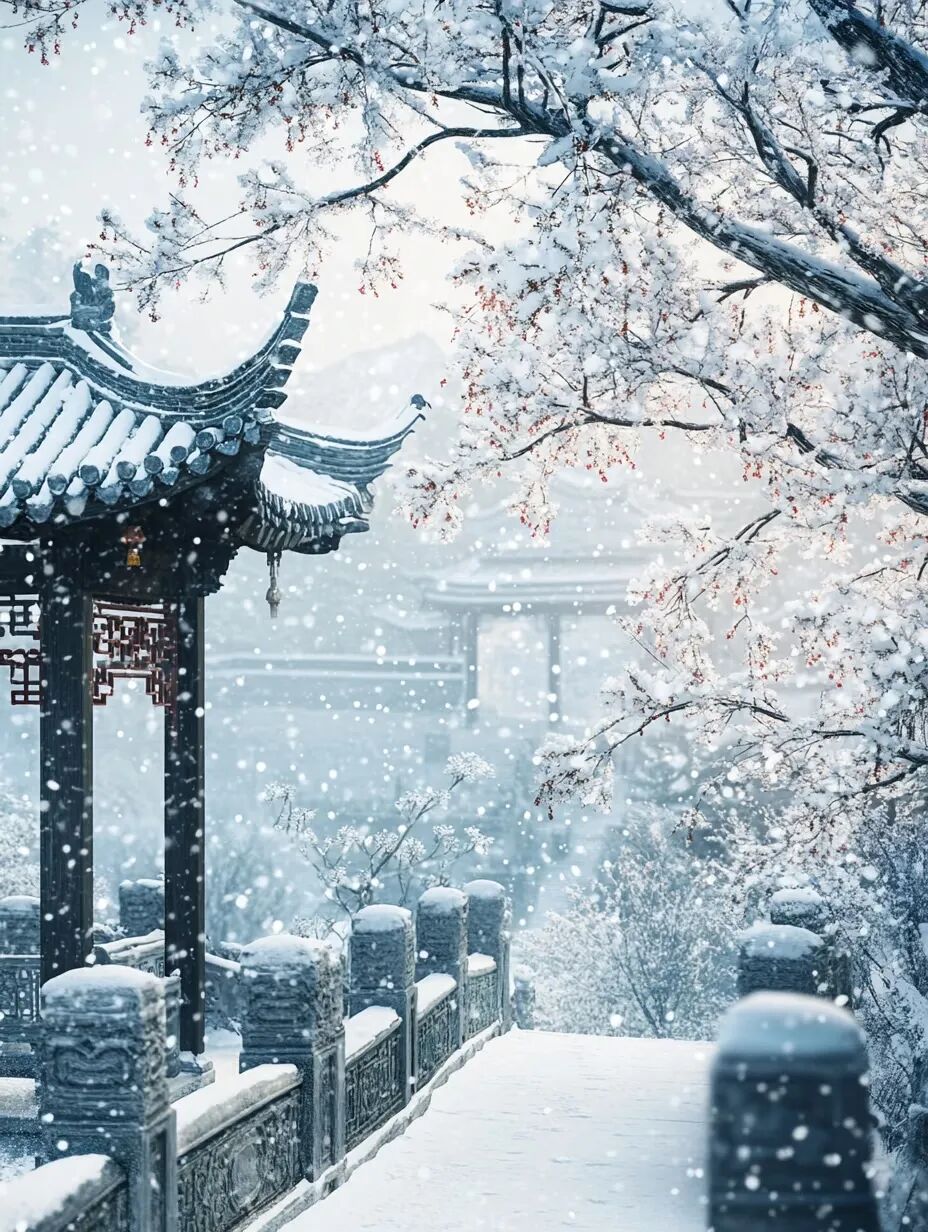
Herein lies the wisdom of the ancients: to find hope in the darkest moments, and perceive warmth in the bitterest cold. However long the night, it must eventually yield to dawn; however deep the winter, it is bound to meet spring. This is the eternal promise of Heaven and Earth, and a testament to life unceasing.

访客通道(项目入口)
还没有账号?
立即注册